
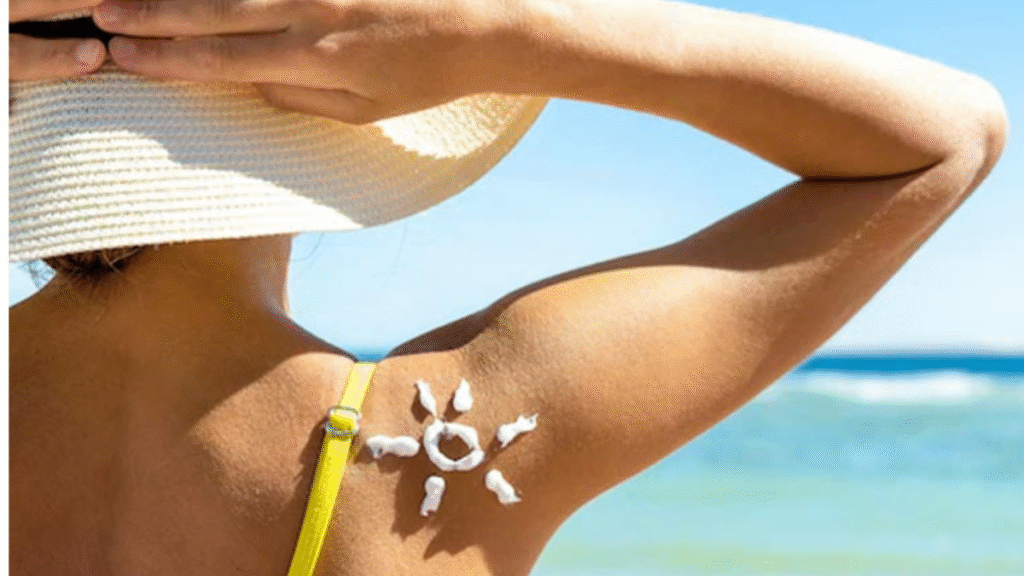
Is sun tan making you lose confidence? -Don’t know what to do? Sunlight is essential for us (it gives our body Vitamin D), but too much sun exposure causes tanning. This makes the skin look dull, dry, and uneven. In this blog, we will discuss the causes of sun tan, skincare routines, diet tips, natural home remedies to reduce tanning, and also when you should consult a dermatologist. By following these tips, you can effectively remove sun tan and bring back your natural glow. Let’s get started!
Let’s Know the Causes of Sun Tan?
Sun Tan is a common phenomenon. The pigment in our skin is called melanin, produced by cells in the lower layers of the skin called melanocytes. Melanin gives our skin its colour. When we are exposed to sunlight, the melanin content in our skin increases to protect it, resulting in a darker appearance. Sunlight contains invisible rays known as ultraviolet (UV) rays, which are primarily responsible for tanning.
1.Role of UV Rays in Tanning:
Sunlight contains invisible harmful rays called ultraviolet (UV) rays, which are mainly responsible for tanning and skin damage.
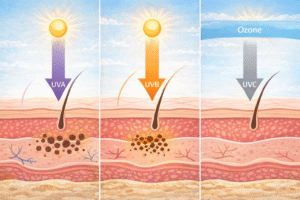
There are three types of UV rays:
- UVA rays – Cause immediate tanning by oxidizing existing melanin. This tan appears quickly but fades faster.
- UVB rays – Cause delayed tanning by stimulating new melanin production. This tan is deeper and lasts longer.
- UVC rays – Filtered by the Earth’s atmosphere and do not reach us.
2.Common Causes of Tanning:
-
Walking or traveling in the sun without protection
-
Sitting near sunny windows
-
Outdoor sports or beach vacations
-
Use of sunbeds or UV lamps
Types of Sun Tan You Should Know
Understanding the type of tan helps in choosing the right treatment.
1.Temporary Sun Tan
- Caused by short-term sun exposure
- Appears quickly
- Fades within a few days with basic care
2.Permanent or Deep Sun Tan
- Caused by prolonged or repeated sun exposure
- Takes weeks or months to fade
- Needs consistent skincare and sometimes medical treatment
3.Patchy Sun Tan
- Uneven tanning due to improper sunscreen application
- Common on hands, neck, and face
2. General Tips to Prevent Tanning
Preventing tan is much easier than removing it later. A few smart habits can reduce sun exposure and protect your skin from UV damage.
A) Avoid Sun During Peak Hours
UV rays are strongest between:
-
10 AM to 2 PM (winter)
-
10 AM to 4 PM (summer)
During this time, your skin is most vulnerable to damage. Try to plan outdoor chores in early morning or late afternoon.
B) Use Protective Accessories
Before stepping out, protect your skin with:
-
Wide hats
-
Sunglasses
-
Scarves or stoles
-
Full-sleeved cotton clothing
-
Gloves (for two-wheeler riders)
-
Umbrella
Physical protection reduces direct UV exposure significantly.
C) Apply Sunscreen Correctly
A sunscreen can only help if you apply it correctly and consistently.
-
Use broad spectrum sunscreen (SPF 30–50)
-
Apply two fingers’ amount for face and neck
-
Reapply every 3–4 hours
-
Apply sunscreen even when indoors (UVA penetrates windows)
-
Apply on exposed areas – face, neck, hands, feet, arms
-
Use water-resistant sunscreen when sweating or swimming
Many people apply sunscreen only once and expect it to last all day—this is the biggest mistake.
3. How to Remove Sun Tan at Home Naturally
If you’re looking for natural and effective ways to remove sun tan, you don’t need expensive treatments or chemical products. Many powerful ingredients that help reduce tanning and repair sun-damaged skin are easily available in your kitchen. These home remedies are gentle, affordable, and safe when used regularly. Let’s look at some easy and effective natural solutions to remove tan at home.
A. Lemon and Honey Pack
Lemon is known for its natural bleaching properties that help lighten pigmentation and tan caused by sun exposure. Honey, on the other hand, is a natural humectant that deeply hydrates the skin and helps heal sun damage. Together, they work to brighten the skin while keeping it moisturized and soft.
How to use:
Mix 1 tablespoon of fresh lemon juice with 1 tablespoon of honey. Apply the mixture evenly on the tanned areas of your face or body. Leave it on for 15–20 minutes, then rinse off with lukewarm water.
Tip: If you have sensitive skin, dilute lemon juice with rose water to avoid irritation.
B. Tomato and Curd Mask
Tomatoes are rich in lycopene, a powerful antioxidant that helps reduce sunburn, tanning, and dullness. Curd (yogurt) contains lactic acid, which gently exfoliates the skin, removes dead cells, and improves skin brightness. This mask is especially effective for calming sun-exposed skin.
How to use:
Take 2 tablespoons of fresh curd and mix it with tomato pulp. Apply the mixture evenly on the affected areas. Leave it on for 25–30 minutes, then wash off with cool water. Regular use helps restore natural skin tone and freshness.
C. Aloe Vera Gel
Aloe vera is one of the best natural remedies for sun tan and sunburn. It has cooling, soothing, and healing properties that calm irritated skin and promote skin repair. With consistent use, aloe vera helps fade tan gradually and improves overall skin texture.
How to use:
Extract fresh aloe vera gel from the plant and apply a thin layer on the tanned areas before going to bed. Leave it on overnight and wash it off the next morning. Daily application gives the best results.
D. Coffee Body Scrub
Coffee is an excellent natural exfoliant that helps remove dead skin cells and improve blood circulation. Regular exfoliation helps lighten tan and makes the skin smoother and brighter.
How to use:
Mix 2 tablespoons of coffee powder, 1 tablespoon of sugar, and 1 tablespoon of coconut oil. Gently massage the scrub on damp skin using circular motions for a few minutes. Rinse off with lukewarm water. Use this scrub 2–3 times a week for best results.
4. Proper Skincare Routine to Remove Sun Tan
Sun tanning is a common skin concern caused by prolonged exposure to harmful UV rays. While tanning doesn’t disappear overnight, it can be gradually reduced and prevented with a consistent and correct skincare routine. Following the right steps daily helps repair sun damage, restore your natural skin tone, and keep your skin healthy. Tanning can be reversed with a consistent skincare routine. Here’s what to follow regularly:
Step 1: Cleansing (Sun-Damaged Skin)
Cleansing is the foundation of any effective skincare routine. Throughout the day, sweat, dirt, pollution, and excess oil accumulate on the skin, making tanning appear darker and more stubborn.
Use a mild, hydrating face wash or body wash that gently cleanses the skin without stripping away its natural moisture. Avoid harsh soaps or products with strong fragrances, as they can dry out the skin and worsen sun damage.
Cleanse your face twice daily—once in the morning and once at night—to keep your skin fresh, clean, and ready to absorb other skincare products.
Step 2: Exfoliation to Remove Dead Skin Cells
Exfoliation plays a crucial role in removing sun tan. When your skin is exposed to sunlight, dead skin cells build up on the surface, making the skin look dull and darker.
Exfoliate your skin 2–3 times a week to gently remove these dead cells and reveal brighter, healthier skin underneath. You can use natural exfoliants such as oats mixed with milk or coffee mixed with sugar. These natural scrubs help improve blood circulation and support skin renewal without being too harsh.
Avoid over-exfoliating, as it can cause irritation, redness, and sensitivity, especially on sun-damaged skin.
Step 3: Moisturization for Tan Repair
After sun exposure, the skin often becomes dry, rough, and dehydrated. Proper moisturization helps repair the skin barrier and restore lost hydration.
Use a lightweight lotion or cream suitable for your skin type and enriched with soothing ingredients like aloe vera, glycerin, or hyaluronic acid. These ingredients calm sun-damaged skin, reduce dryness, and promote healing.
Apply moisturizer immediately after bathing when the skin is slightly damp to lock in moisture and keep the skin soft, smooth, and healthy throughout the day.
Step 4: Sunscreen to Prevent Further Tanning
Sunscreen is the most important step in preventing and reducing sun tan. Without proper sun protection, all your skincare efforts may go to waste.
Always apply a broad-spectrum sunscreen with SPF 30 or higher to protect your skin from both UVA and UVB rays. Sunscreen should be applied even on cloudy days or when staying indoors, as UV rays can penetrate windows.
When stepping outside, reapply sunscreen every 2–3 hours, especially if you are sweating or spending long hours in the sun. Consistent sunscreen use not only prevents further tanning but also protects your skin from premature aging, pigmentation, and sun damage.
Diet Tips to Remove Sun Tan from Within

Skin repair starts from inside.
A) Vitamin C-Rich Foods
Boost collagen and brighten skin:
- Oranges
- Lemons
- Amla
- Kiwi
- Strawberries
B) Vitamin E Foods
Protect skin cells:
- Almonds
- Sunflower seeds
- Spinach
C) Antioxidant Foods
Fight free radical damage:
- Tomatoes
- Green tea
- Berries
- Dark chocolate (in moderation)
D) Hydration
Drink 2–3 liters of water daily for healthy, glowing skin.
5. When to Consult a Dermatologist for Sun Tan Removal
Sometimes, home remedies and skincare routines might not be enough — especially when the tan is deep, long-lasting, or accompanied by skin issues. If you notice signs like redness, rashes, uneven dark patches, or persistent pigmentation, it’s time to see a dermatologist. Medical treatments such as chemical peels, laser therapy, or prescription-based creams can help you safely and effectively remove stubborn tan and restore an even skin tone.
Final Thoughts on How to Remove Sun Tan Naturally
Understanding how to remove sun tan is essential for maintaining healthy and radiant skin. Tanning is normal, but ignoring it for long can lead to skin damage, dullness, and premature aging. consistent care, natural remedies, sun protection, and a balanced diet can help you gradually reverse tanning and bring back your natural glow. Stay protected, stay hydrated, and give your skin the care it truly deserves.