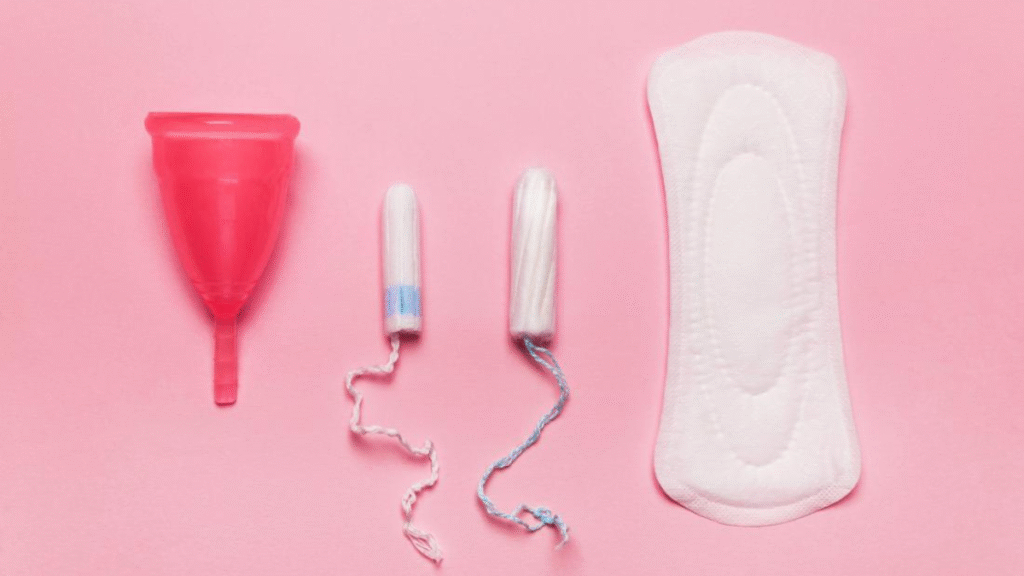
Confused about Menstrual Cup, Pads, or Tampons? Don’t know which one to use because , lack of proper information and confidence? Periods are a natural part of every woman’s life, but choosing the right menstrual hygiene product is extremely important for comfort, safety, and long-term health. Today, women commonly use menstrual cups, sanitary pads, or tampons, yet many remain confused about which option is safer, healthier, and more hygienic. In this detailed guide, we compare menstrual cup vs pads vs tampons, explaining their benefits, risks, hygiene levels, and suitability for different lifestyles—so you can confidently choose what’s best for you.
What Is Menstrual Cup?
A special cup that collects your period blood –very interesting, right? That is called a Menstrual Cup. It is an alternative to sanitary pads and tampons. A menstrual cup is a reusable feminine hygiene product. It is very small, flexible, and shaped like a funnel. The cup is usually made of silicone, rubber, or latex. It is designed in such a way that it can properly store blood during your periods.
Advantages of Menstrual Cup for Period Hygiene:
1. Reusable & eco-friendly – One cup can last 5–10 years, reducing waste.
2. Cost-effective – A one-time purchase saves money in the long run.
3. Longer wear time -Can be worn up to 10–12 hours, even overnight.
4. Comfortable once placed correctly -Many women don’t even feel it.
5. No dryness – Unlike tampons, cups don’t absorb natural vaginal moisture.
6. Less odor – Since blood is collected, not exposed to air
7. Holds more blood- A menstrual cup can hold more blood than pads or tampons. For heavy flow, you can remove it every 5–6 hours, clean it, and wear again to avoid overflow.
Disadvantages of Menstrual Cups:
1. Learning curve – Insertion and removal may be tricky initially.
2. Messy at first – Emptying and cleaning in public restrooms can be inconvenient.
3. Not suitable for all women – Women with certain medical conditions or those uncomfortable with insertion may struggle.
4. Maintenance needed -Requires boiling/sterilization before and after each cycle.
Hygiene Tips for Menstrual Cups:
- Wash hands before insertion/removal.
- Empty every 8–12 hours depending on flow.
- Clean with mild, fragrance-free soap and water.
- Sterilize in boiling water before and after each period.
What Are Sanitary pads?
Sanitary pads – This is the most common feminine hygiene product. It is one of the most affordable and comfortable options. Pads are usually made from bleached rayon, cotton, and plastic. Sometimes, you may notice that after the pad absorbs blood, it turns into a gel-like form. This happens because pads contain a special material called polymer powder, which is a powerful absorbent. When it comes in contact with moisture or blood, it transforms into a gel to lock the liquid inside.
Advantages of Sanitary Pads:
1. Easy to use – No insertion required, perfect for beginners.
2. Readily available – Found in almost every pharmacy and shop.
3. Variety – Different sizes, thickness, and absorbency levels available.
4. Low risk of internal infections – Since pads are external, no direct contact inside the body.
5. Suitable for heavy flow – Large overnight pads are designed for maximum absorption.
Disadvantages of Sanitary Pads:
1. Unhygienic if not changed regularly – Keeping a pad for too long can cause infections and foul odor.
2. Can cause rashes – Friction, sweat, and synthetic material may irritate sensitive skin.
3. Not eco-friendly – A single pad takes 500–800 years to decompose.
4. Bulky & less discreet – Pads can shift, leak, or feel uncomfortable during sports or swimming.
Hygiene Tips for Sanitary Pads:
- Change every 4–6 hours (or sooner if flow is heavy).
- Wash and dry the intimate area before putting on a new pad.
- Always dispose of pads in a covered bin—never flush them.
- Prefer cotton-based pads over synthetic ones to reduce rashes.
What Are Tampons?
Tampon – Even if you don’t know exactly how it looks, you must have heard the name. Unlike a menstrual cup that stores blood, a tampon absorbs the blood. It works somewhat like a syringe. Tampons are made of cotton or rayon, which help absorb menstrual flow. The material is compressed, and when it absorbs blood, it expands inside the vagina.
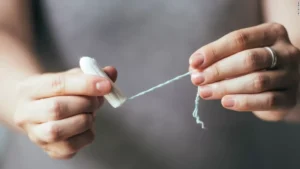
Advantages of Tampons:
1. Comfort & freedom – Great for active lifestyles, sports, and swimming.
2. Less odor – Since blood doesn’t sit outside, odor is reduced.
3. Compact & discreet – Easy to carry and not bulky like pads.
4. Different absorbency levels – Can be chosen according to light, medium, or heavy flow.
Disadvantages of Tampons:
1. Risk of Toxic Shock Syndrome (TSS) – Rare but serious bacterial infection if tampons are left in too long.
2. Insertion difficulty – Some women find it uncomfortable or intimidating to use.
3. Dryness & irritation – Tampons may absorb natural vaginal moisture.
4. Not eco-friendly – Single-use tampons contribute to waste.
Hygiene Tips for Tampons:
- Change every 4–8 hours, never more than 8 hours.
- Wash hands before inserting or removing.
- Choose the lowest absorbency required for your flow.
- Avoid scented tampons—they may cause irritation.
Hygiene Comparison- Menstrual cup vs Pad vs Tampons:
| Feature | Sanitary Pads | Tampons | Menstrual Cups |
|---|---|---|---|
| Wear Time | 4–6 hours | 4–8 hours | 8–12 hours |
| Risk of Infection | Medium (if unchanged) | Higher (TSS risk) | Low (if cleaned properly) |
| Eco-Friendly | No | No | Yes |
| Comfort for Activities | Limited | High | High |
| Learning Difficulty | Easy | Medium | High initially |
| Cost | Recurring monthly | Recurring monthly | One-time (5–10 yrs |
Which is Better for Period Hygiene?
Pads : Best option for beginners, women who feel uncomfortable with insertion, or those who have medical issues.
Tampons : A good choice for women who play sports or stay active, but they must be changed on time to avoid infection.
Menstrual Cup : At first, it may feel a little uncomfortable, but with proper care and practice, it becomes the healthiest long-term option. It lowers the risk of infection, reduces bad odor, and is eco-friendly.
Eco-friendly and Health Perspective:
- If being eco-friendly is your priority – choose a Menstrual Cup.
- If comfort and beginner-friendliness are your priority – Sanitary Pads are the best option.
- If freedom and sports activities are your priority- go for Tampons.
Common Myths About Menstrual Cups, Pads and Tampons
Are menstrual cups unsafe?
No, when cleaned properly, they are one of the safest options.
Do tampons affect virginity?
No, virginity is not affected by tampon use.
Are pads always the safest?
Only if changed frequently and used correctly.
Final Thoughts
Menstrual hygiene is not about following one “perfect” product. It’s about choosing the option that keeps you clean, comfortable, and confident during your periods. We have already discussed the good and bad sides of each product. Now, it’s your turn to choose the one that suits you best.